What did we reject, and why?
Every reject, its reason and its cost.
Scrap usually gets noticed at the end of the week, on a spreadsheet, with no reason attached. By then nobody remembers whether it was the material, the setting or the tooling.
With BUSROOT, operators record bad units against a quality reason as they happen, or the machine sends them. You see every reject by cause and by cost, so you know which problem to fix first.
Why it matters
Rejects cost you twice: the material, and the time it took to make them.
Every reject explained
Each bad unit is recorded with its quality reason, so you're not guessing at the cause.
Scrap in pounds
Put a value on each SKU and see what each quality reason costs you, not just how many units.
Fix the biggest
See which reasons cost the most, then track your quality rate over time to check the fix worked.
What it does
Record every reject.
Find out what's causing it.
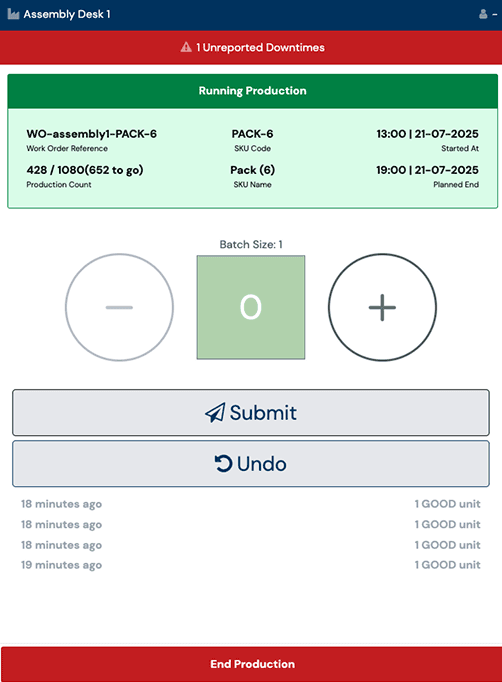
Recorded at the station
Operators record bad units in the Operator Interface and pick a quality reason, such as scratched or out of tolerance.
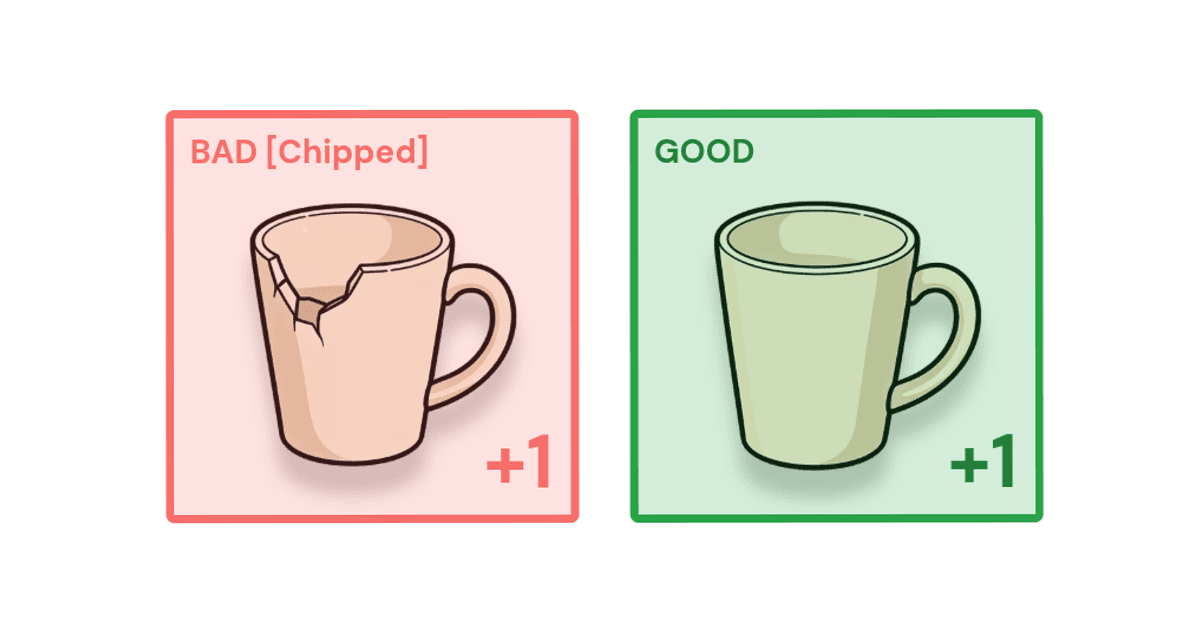
Good and bad, counted separately
Bad units count towards production but not towards the good count, so your figures stay honest.
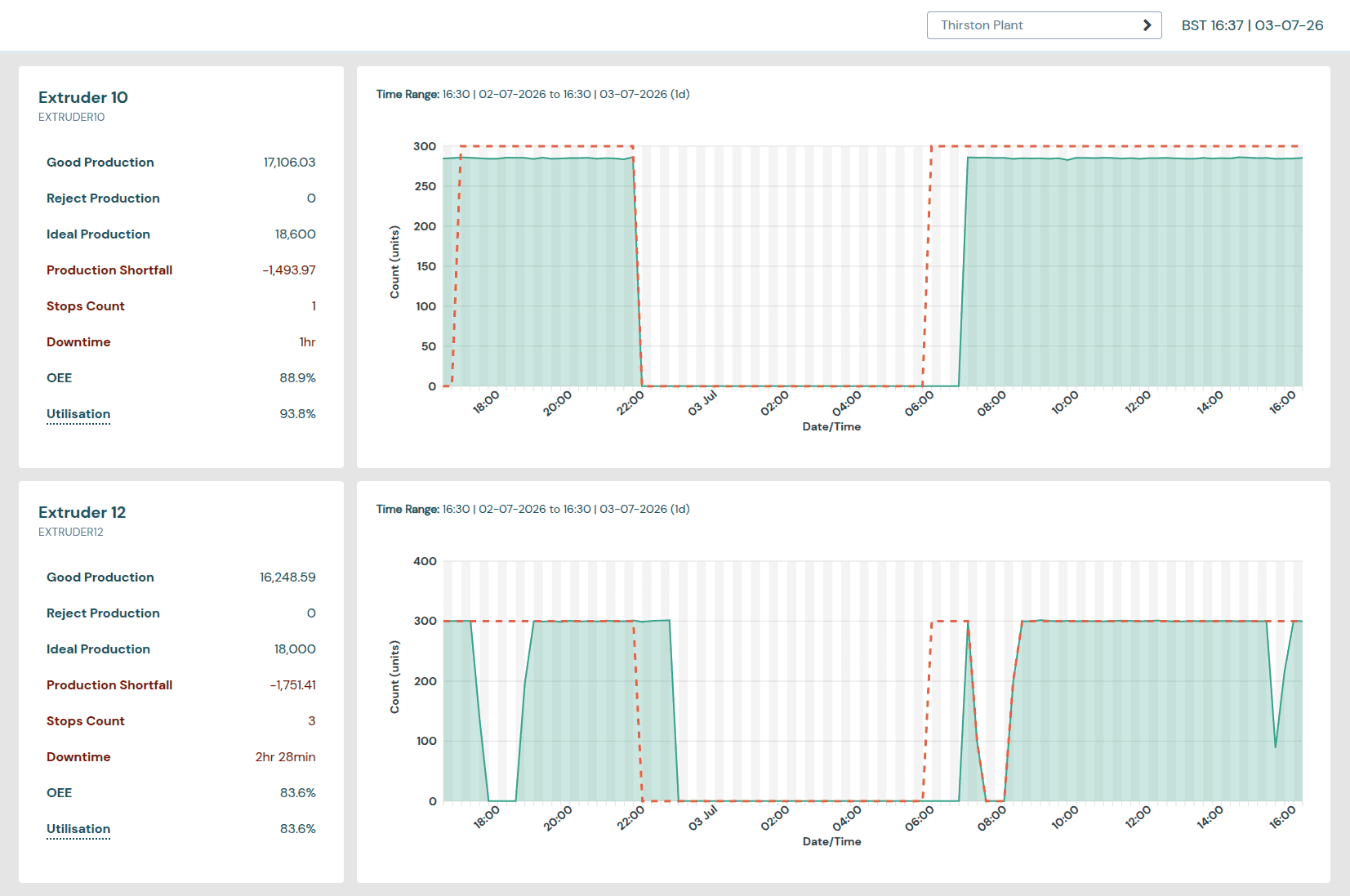
Rejects next to output
See reject production alongside good production for each station.
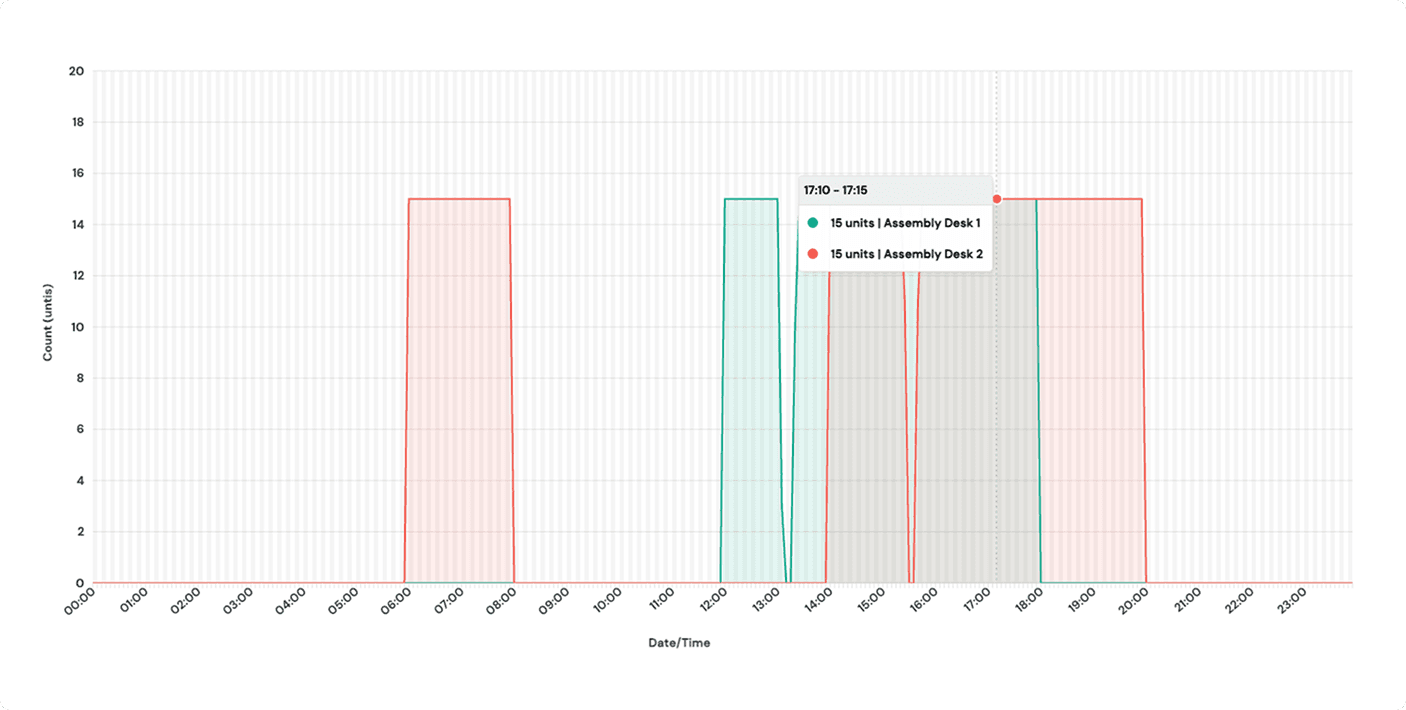
Quality over time
The Trend Viewer plots your quality rate and reject count, so you can see whether a change made a difference.
Where you'll see it
The BUSROOT tools that bring Quality to your team.
ConnectConnect the shop floor
Machine connectors
Micro PLCs and sensors that connect any machine, old or new, whether or not it has its own PLC.
FAQs
Everything you need to know to get started.
How do bad units get into BUSROOT?
Two ways, and you can use both on the same station. Operators record bad units in the Operator Interface, or a device on the machine sends the bad count, with an optional reason code, in the same message as its other signals.
What do operators have to do?
When they record a bad quantity in the Operator Interface, they pick a quality reason from a list you set up. The pick is optional. If they skip it, the reject is still counted and shows as Unknown. If they make a mistake, they can undo the entry.
Do I need new hardware?
Not necessarily. If operators record rejects, all you need is a screen at the station running the Operator Interface in a modern web browser. If you want machines to send rejects automatically, our machine connectors work with old and new machines.
How is the cost of rejects worked out?
Quality cost is the bad count multiplied by the SKU's value, which you set for each SKU. If a SKU has no value set, its quality cost is zero.
Can I set up my own quality reasons?
Yes. You create your own quality reasons, such as scratched, out of tolerance or wrong colour, and you can nest them under parent reasons. You also choose which stations offer each reason.
How does quality affect OEE?
Quality rate, good units as a share of all units, is the quality factor of OEE. OEE Analysis shows it next to availability and performance. For the breakdown by reason, use Quality Analysis.
Is anything recorded when no job is running?
No. Production, good or bad, is only recorded while a production schedule is running on the station. Most sites add one continuous schedule per station to get started.
Ready to boost performance and cut waste?
Book your demo and see how BUSROOT unlocks visibility, accountability, and real-time action - without disrupting your operation.